

FIDE Moscow GP: Moscow Semi-finals begin with two nervous, tense draws
Nerves were on display on Thursday in the first games of the semifinals of the Moscow Grand Prix – the players in both games had winning chances when the games were stopped by mutual agreement. The first game to finish on Thursday was between Ian Nepomniachtchi of Russia and Radoslaw Wojtaszek of Poland. Arguably, that draw was the more curious of the two. The other game featured Hikaru Nakamura of the United States and Alexander Grischuk of Russia. The opening was a Giuoco Piano, which is Italian for “quiet game.” The opening usually features a lot of quiet maneuvering, but it can become very tactical if the center opens. Photo: World Chess
First Semi-final games end up peacefully
Nepomniachtchi, who had White, blitzed out his first 25 moves against Wojtaszek’s Najdorf Sicilian Defense, using almost no time on his clock, indicating that he was still basically following analysis that he had done before the game. At that point, Black’s position was under pressure as White’s pieces were all pointing menacingly at Black’s castled king.

One move later, however, after thinking for about 10 minutes, Nepomniachtchi played 26 h3 (about 1:45 into the broadcast), a somewhat weak move, and offered a draw, which was quickly accepted.
Nepo - Wojtaszek, Round 3.1
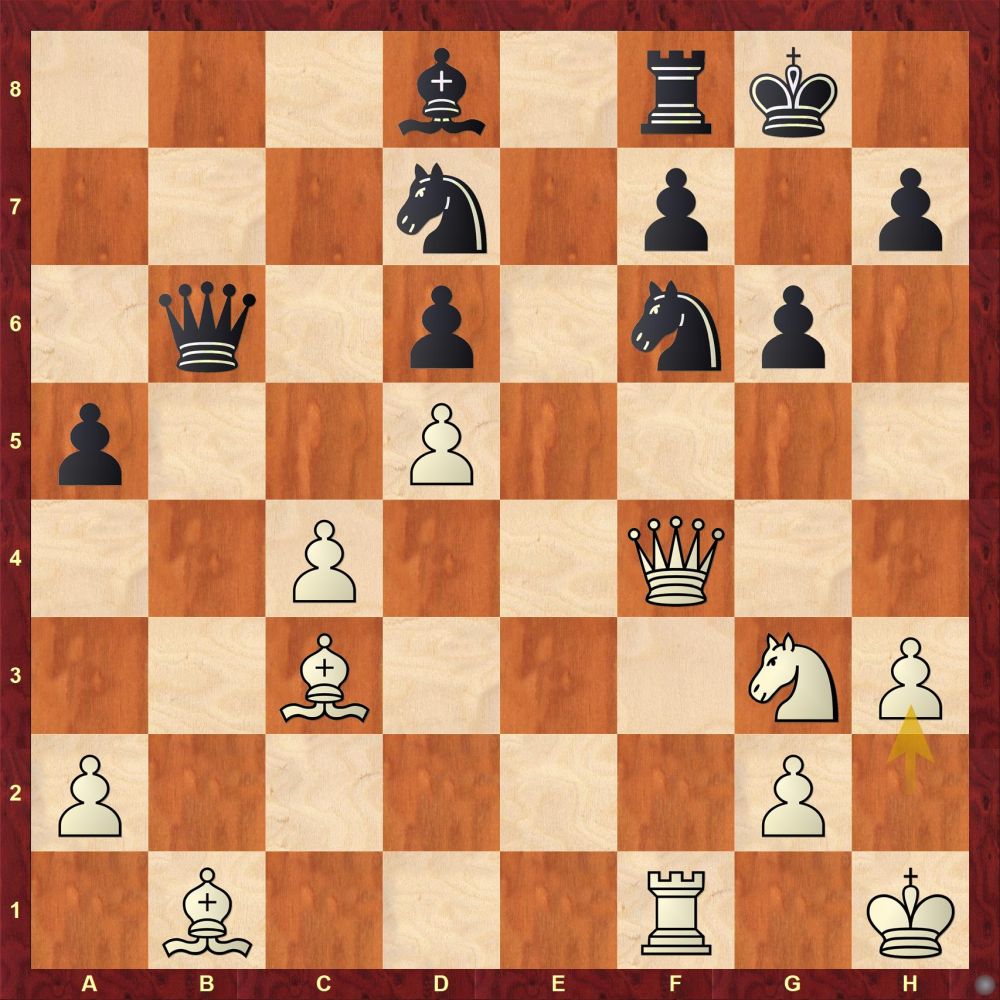
Afterward, in an interview, Nepomaniachtchi did not sound very confident, suggesting that he thought that Wojtaszek knew exactly what he should be doing. Radoslaw said that he accepted the draw because he was already well behind on the clock and the position was very complicated.
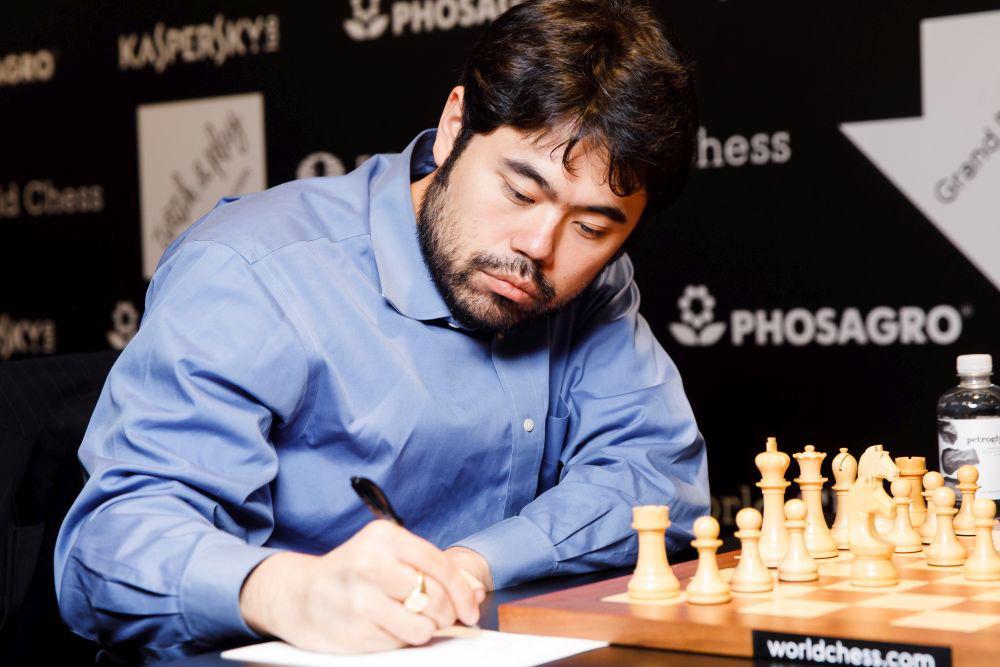
Nakamura surprised Grischuk on Move 16 by exchanging his light-squared bishop, which is usually an essential piece for White, in order to win a pawn.
Nakamura - Grischuk, Round 3.1
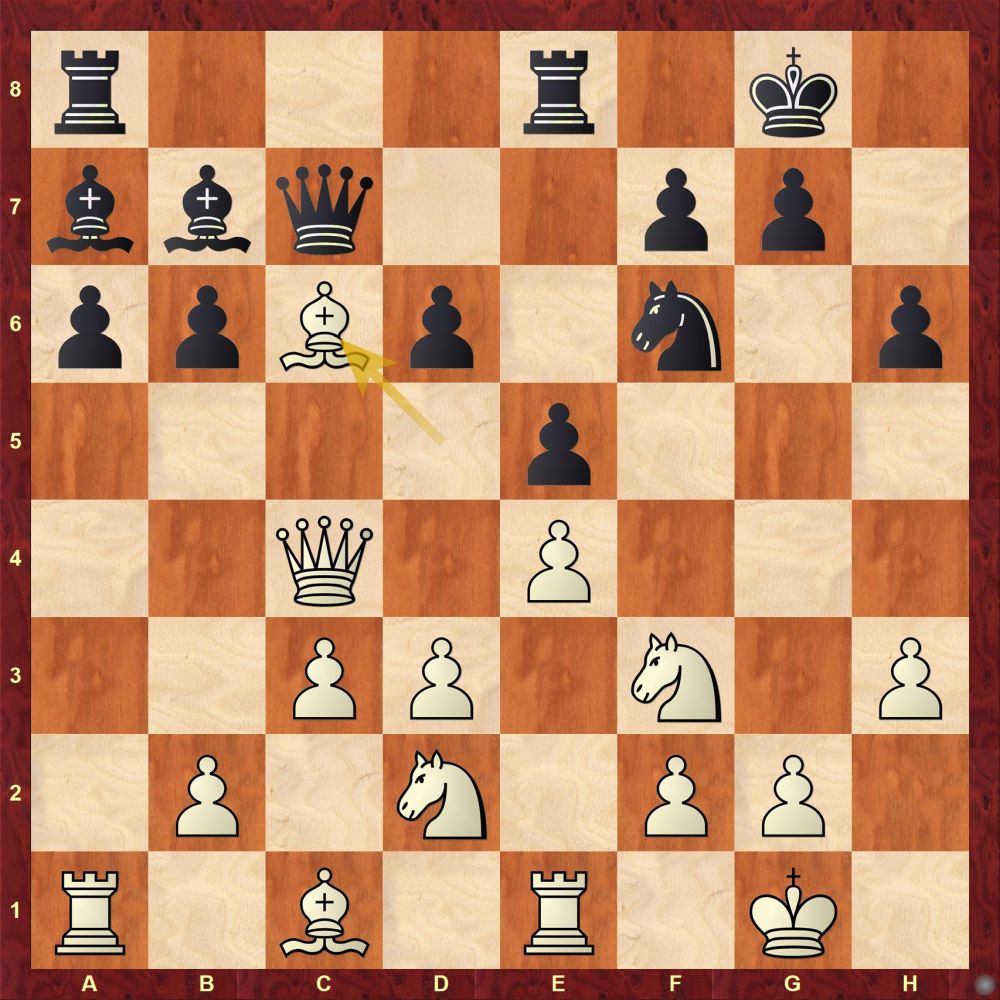
The plan turned out to be double-edged as Grischuk’s pieces began to spring to life, putting immense pressure on Nakamura’s center. Grischuk followed up by posting his remaining knight aggressively on f4, presaging a possible attack against Nakamura’s king. Though Nakamura was not objectively worse, the position was much easier to play for Black than for White.
But, with time running low on both players’ clocks, Grischuk played 35…Rc8, which was readily accepted by Nakamura.
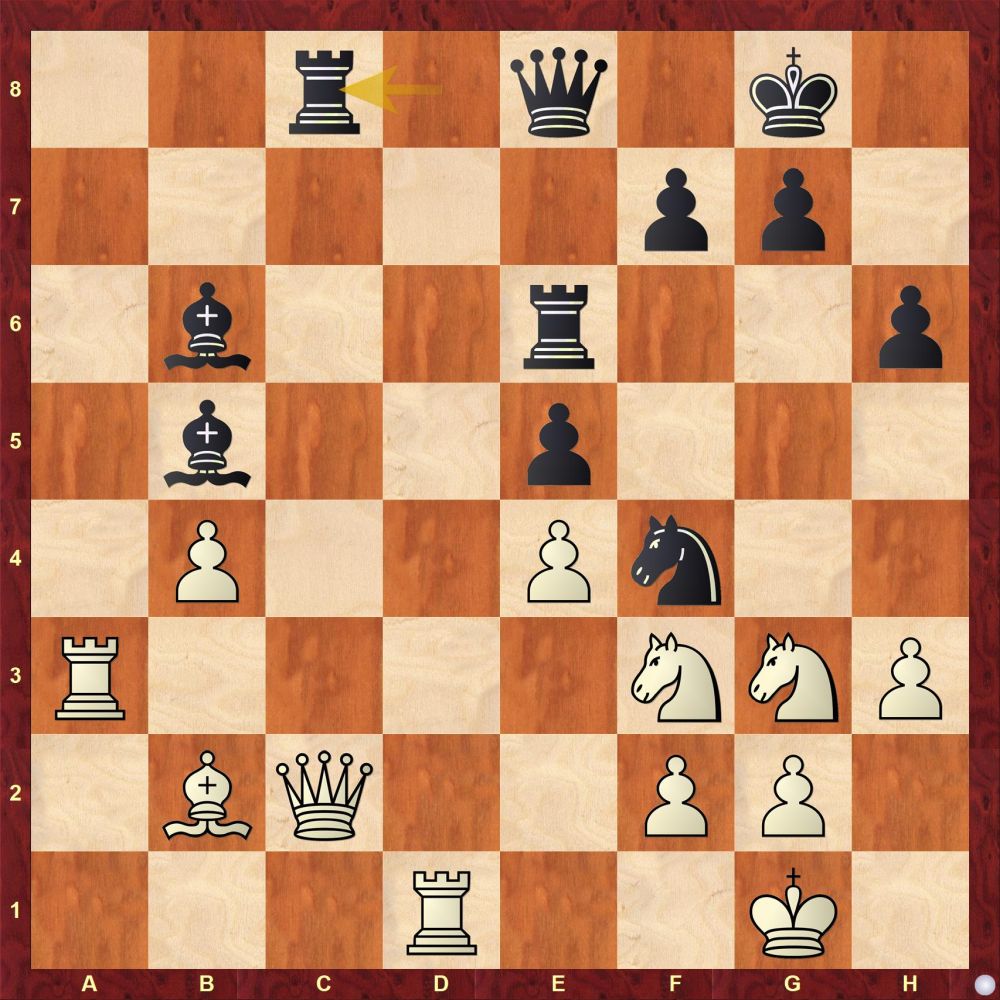
In an interview afterward, Nakamura said that Grischuk’s 14… Qc7 had not been part of his pre-game analysis preparation, but that it turned out not to be bad. He said that he accepted the draw offer because the position was messy and he did not have enough time to evaluate it better. Grischuk said that he also did not have much confidence in his position at the end, which is why he offered the draw.
The second Semi-final begins Friday at 3 p.m. local time, 5.30 p.m. IST. The broadcast can be viewed free and live at worldchess.com.
Live games begin at 5.30 p.m. IST
The principal sponsors of the series are PhosAgro, a giant Russian fertilizer company, and Kaspersky Lab, a worldwide leader in data security. The series is being organized and broadcast by Worldchess on its Web site under the auspices of FIDE.
About the author:

Dylan Loeb McClain is an author for the World Chess website. Formerly, he was a staff editor and chess columnist for The New York Times.
Related News

फीडे महिला ग्रां प्री - अब हरिका के पास है अंतिम मौका

What happens when a super GM thinks for 35 minutes?

मोनाको ग्रां प्री:हम्पी उपविजेता,कोस्टिनीयुक को खिताब

मोनाको ग्रां प्री - हम्पी के पास आखिरी मौका !

मोनाको ग्रां प्री - हम्पी - हरिका के बीच मुक़ाबला ड्रॉ
मोनाको ग्रां प्री - हरिका की लगातार दूसरी जीत

मोनाको ग्रां प्री - जीत के साथ हरिका की वापसी

मोनाको ग्रां प्री - हम्पी का अच्छा बचाव ,बढ़त बरकरार

मोनाको ग्रां प्री - कोनेरु हम्पी विश्व नंबर 2 बनने के करीब

मोनाको ग्रां प्री - हारी बाजी जीतकर की हम्पी नें शुरुआत

मोनको फीडे ग्रां प्री - हम्पी और हरिका पर होगी नजर

विश्व शतरंज में हम्पी की वापसी - जीता फीडे ग्रांड प्रिक्स खिताब

Humpy wins Skolkovo FIDE Women's Grand Prix 2019

कोनेरु हम्पी फीडे वुमेन ग्रांड प्रिक्स खिताब के करीब
Humpy takes sole lead in Skolkovo FIDE Women's Grand Prix

Humpy is now World no.3

Humpy and Harika make a solid start at Skolkovo FIDE Women's Grand Prix

फीडे वुमेन ग्रांड प्रिक्स 2019 - हम्पी -हरिका नें खेला ड्रॉ

रिगा फीडे ग्रैंडप्रिक्स - मेक्सिम लाग्रेव पहुंचे सेमीफाइनल

फीडे ग्रैंडप्रिक्स R1:G2 - हरिकृष्णा की निगाहें टाईब्रेक पर

Harikrishna survives game one, now has a chance to knockout Wesley So
फीडे ग्रैंडप्रिक्स R1:G1 - हरिकृष्णा का शानदार बचाव !

नेपोमनियची बने मॉस्को ग्रांड प्रिक्स विजेता
Ian Nepomniachtchi wins Moscow GP

Playoff Will Decide Moscow Grand Prix

Moscow GP Finals: Grischuk-Nepo Game 1 ends up in a draw

Nepomniachtchi is the Second Finalist at Moscow GP

मॉस्को फीडे ग्रांड प्रिक्स - नाकामुरा हुए नॉक आउट

FIDE Moscow GP: Grischuk is the first to advance to the finals

मॉस्को फीडे ग्रांड प्रिक्स - शुरू हुई सेमीफ़ाइनल की जंग

FIDE Moscow GP: Nakamura, Grischuk and Nepo join Wojtaszek in the semi-finals

FIDE Moscow GP: Wojtaszek is the first Semi-finalist

मॉस्को फीडे ग्रांड प्रिक्स - दिग्गज हुए बाहर !

FIDE Moscow GP: Quarter-final begins with four draws

FIDE Moscow GP Round 1 Playoff: Nakamura and So advance to the Quarter-finals

FIDE Moscow GP: Giri, Mamedyarov, Aronian and Karjakin get eliminated

Moscow Grand Prix Round 1.1: The Poles have a great day!

Harikrishna is the only Indian in the FIDE Grand Prix series 2019

फीडे ग्रां प्री में पेंटाला हरिकृष्णा होंगे अकेले भारतीय